

Merino: 6 reasons to choose wool base layers

Merino sheep’s wool: why hunters and mountaineers return to a material used for more than 200 years.
What is merino?
Merinos are a breed of sheep developed in Spain in the 12th century. Their wool is finer than ordinary wool (fibre diameter 17–24 μm versus 30–40 for coarse wool), so it does not itch or irritate even sensitive skin. Today the main suppliers are Australia and New Zealand.
Merino enjoyed a revival in the outdoor industry in the 1990s thanks to Icebreaker. Today it is the gold standard for base layers among mountaineers, hunters and marathon runners.
1. Temperature regulation across a wide range
Wool works at both +25 and -15 °C. Its fibre structure contains air pockets that keep you warm in the cold while releasing excess heat in hot weather. The same 200 g/m² merino feels comfortable hunting at -5 °C in the morning and climbing a mountain at +15 °C during the day.
2. Antibacterial properties
Wool contains keratin and the natural wax lanolin, which suppress the growth of bacteria responsible for sweat odour. A merino hiking T-shirt can easily be worn for 5–7 days without washing or smelling. After a day of active wear, synthetics develop a distinctive odour.
3. Works when wet
Unlike cotton, wet merino retains up to 80% of its insulating properties. That is crucial on a hunt: sweat on an ascent or get caught in rain, and you can keep moving without getting cold.
4. No static or lingering smoke smell
Sit by a campfire and synthetics immediately absorb smoke odour, then need three washes. Merino lets smoke pass through without trapping it in the fibres. It also does not spark from friction in dry air or cling to the body.
5. Does not melt near a fire
A stray campfire spark melts straight through synthetics, leaving a hole. Merino chars in one spot and extinguishes itself. For a hunter by a campfire or at a bivouac with a stove, that is an important advantage.
6. Biodegradable
Unlike polyester, which takes more than 200 years to decompose, a merino T-shirt breaks down completely in soil in 6–12 months. For those who care, that is a strong argument.
What to know about care
- Wash only at 30 °C, without bleach or fabric softener.
- Dry flat, laid out horizontally; otherwise it will shrink.
- Do not store wet: moths may appear.
Fabric weights and uses
- 120–150 g/m² — summer, running and active use.
- 180–200 g/m² — all-season versatility except in severe frost.
- 250–300 g/m² — winter hunting, sitting in a hide and frost below -20 °C.
Merino costs 2–3 times as much as synthetics but lasts 3–5 seasons of active wear. Per season, it works out cheaper and more comfortable. That is why most professional guides and hunters choose it.
Choose gear for your activity
Filter clothing by season, temperature and activity in the catalog. If you need help, a consultant will ask about your conditions and suggest available options.
You may also like

The clothing layering principle: base, insulation and shell
One well-chosen three-layer outfit works from +5 to -25 °C. We explain the logic behind a layering system.
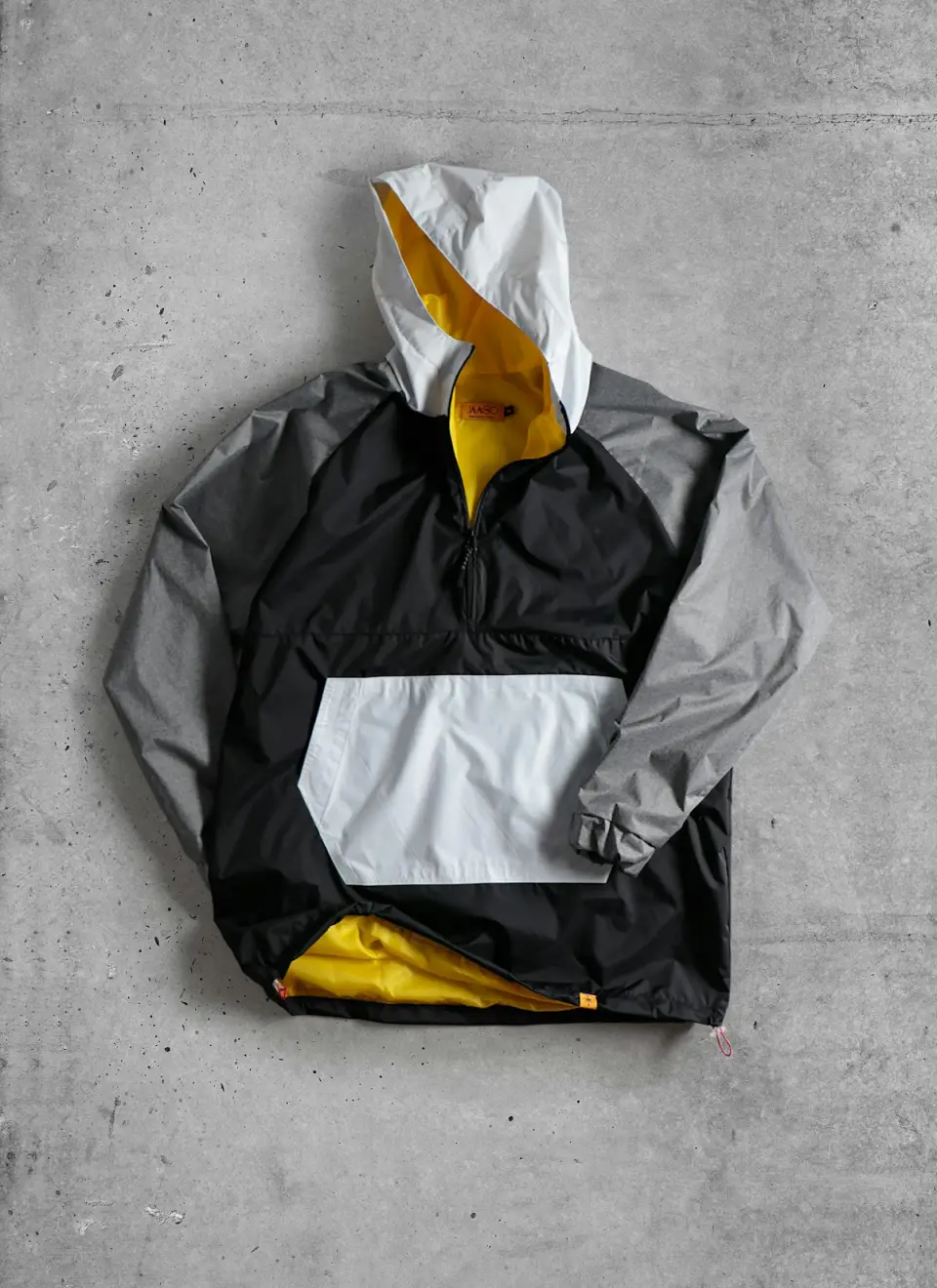
How to care for membrane clothing: washing, reproofing and drying
A membrane can last 7–10 years when washed correctly. We explain powder versus liquid detergent, temperatures and DWR treatment.
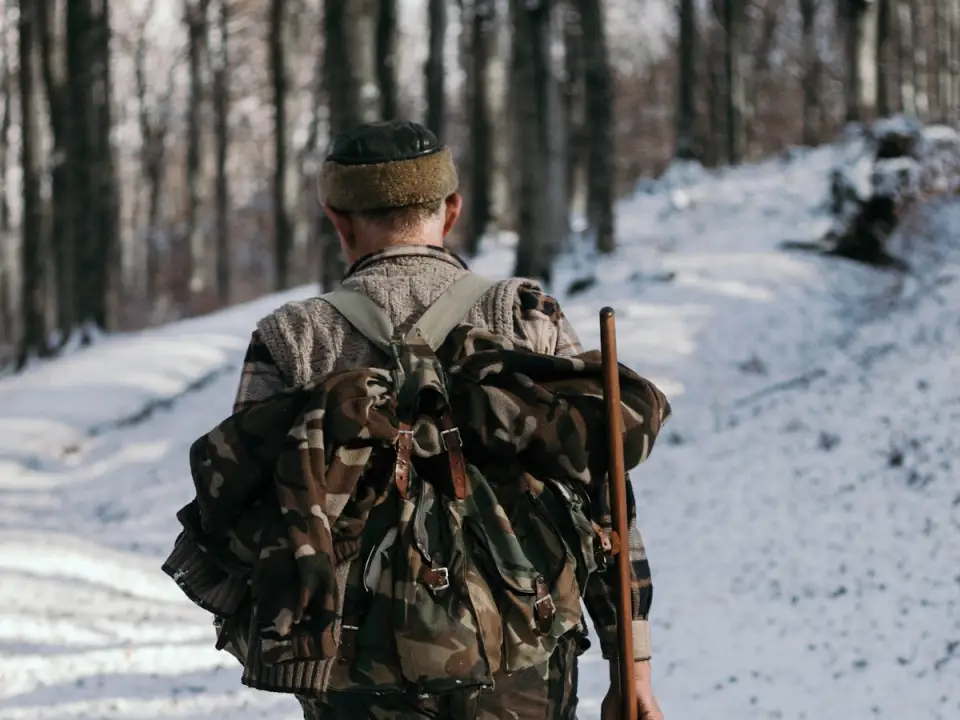
How to choose winter hunting gear for Kazakhstan
Winters in Kazakhstan’s steppes and mountains are harsh: frost down to -35 °C, wind and snow. Here is how to put together an outfit you can rely on.