

The clothing layering principle: base, insulation and shell

One well-chosen three-layer outfit works from +5 to -25 °C. We explain the logic behind a layering system.
Why use layers at all
The idea came from mountaineering in the 1970s: instead of one thick jacket, use several thin layers that can be combined to suit your activity and the weather. The approach spread to mountain trekking, hunting, fishing and military gear.
The main advantage is flexibility. Take off your insulation on the ascent and put it back on during a break. One well-chosen outfit covers conditions from +5 to -25 °C, whereas a single “all-weather” jacket either makes you sweat while moving or fails to keep you warm at rest.
Layer 1: the base layer
Its job is to move sweat away from your body. It should never be cotton: wet cotton draws heat away 25 times faster than air.
- Merino, 150–200 g/m² — summer, transitional seasons and strenuous activity.
- Merino, 250–300 g/m² — winter and low-activity hunting.
- Synthetics (Polartec Power Dry, Polygiene) — for people allergic to wool or for workouts involving heavy sweating.
The fit should be close without compression. Flat seams prevent chafing under a backpack.
Layer 2: insulation (mid layer)
Its job is to trap air warmed by your body. The thicker the layer of still air, the warmer you stay.
- Fleece (Polartec 100/200/300) — inexpensive, breathable and quick-drying. Its drawbacks are wind penetration and bulk in a backpack.
- Synthetic insulation (Primaloft, Climashield) — compact, effective when wet and easy to wash. Ideal for active hunting.
- Down (Down 650–900 FP) — the most warmth for the least weight, but vulnerable to moisture. Only for stationary use and dry weather.
Layer 3: the membrane shell
Its job is to protect against wind and precipitation while allowing water vapour to escape from inside.
- Hardshell (Gore-Tex Pro, eVent) — maximum protection, stiff and noisy fabric. For serious bad weather.
- Softshell — soft, stretchy and more breathable, but only protects against wind and drizzle.
- Windshell — an extremely thin windbreaker without a membrane, for light wind and protection from mosquitoes.
How it works in practice
An early mountain start at -5 °C: merino 200 + fleece 200 + softshell. On the ascent, take off the softshell and walk in fleece. At the summit the wind picks up and the temperature drops to -15 °C: take a down jacket out of your backpack, put it over the fleece and add a hardshell on top. On the descent, pack the down jacket away again.
One outfit, four configurations. That is the point of a layering system.
Choose gear for your activity
Filter clothing by season, temperature and activity in the catalog. If you need help, a consultant will ask about your conditions and suggest available options.
You may also like
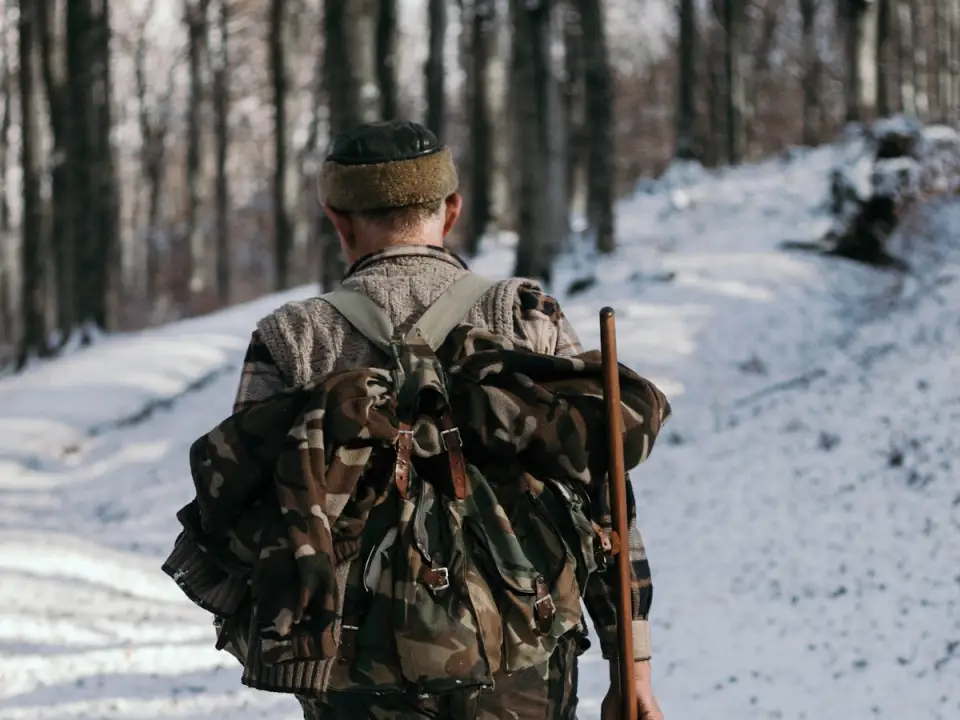
How to choose winter hunting gear for Kazakhstan
Winters in Kazakhstan’s steppes and mountains are harsh: frost down to -35 °C, wind and snow. Here is how to put together an outfit you can rely on.
Merino: 6 reasons to choose wool base layers
Merino sheep’s wool: why hunters and mountaineers return to a material used for more than 200 years.
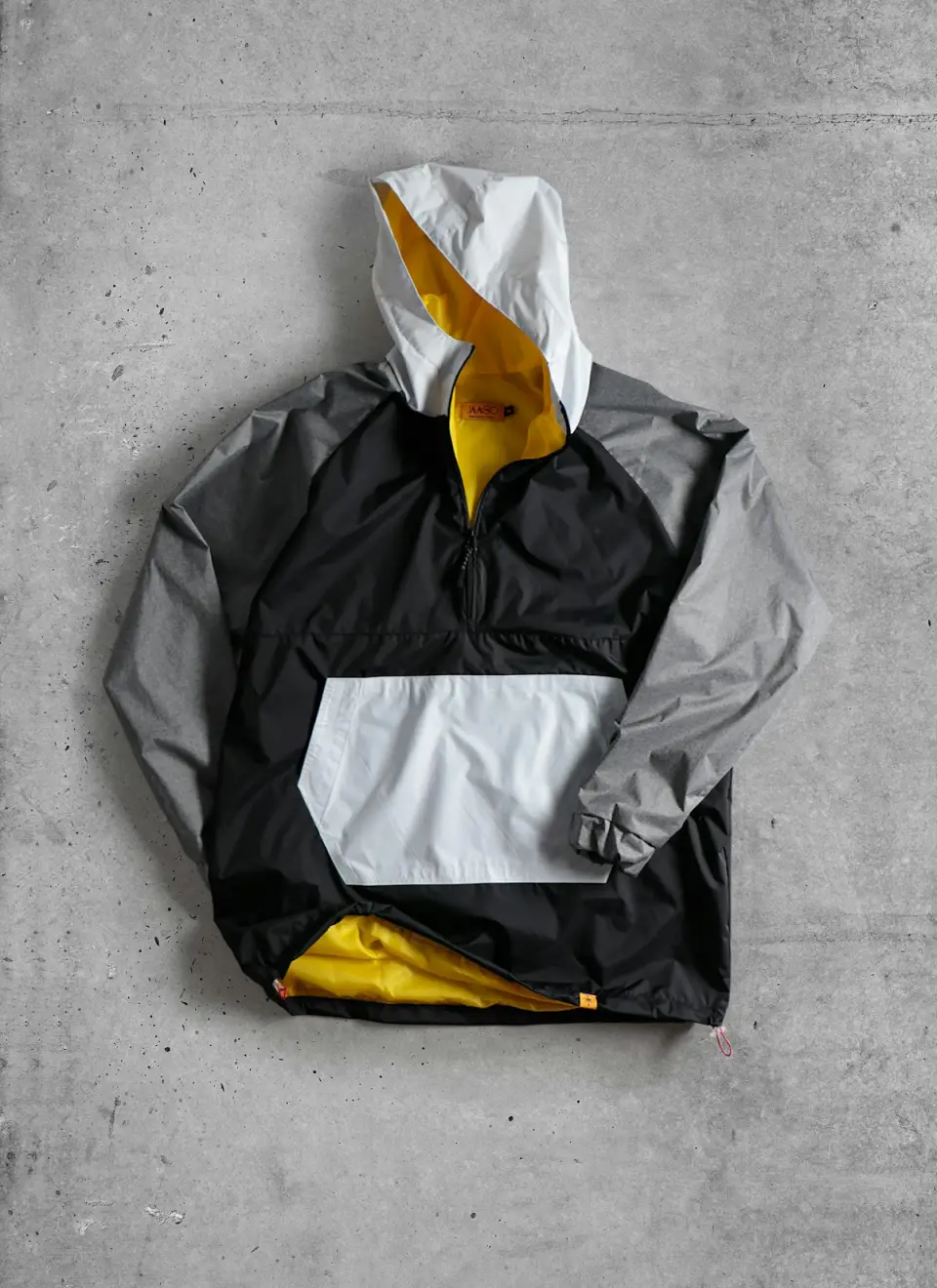
How to care for membrane clothing: washing, reproofing and drying
A membrane can last 7–10 years when washed correctly. We explain powder versus liquid detergent, temperatures and DWR treatment.