

How to care for membrane clothing: washing, reproofing and drying

A membrane can last 7–10 years when washed correctly. We explain powder versus liquid detergent, temperatures and DWR treatment.
Why a membrane “stops working”
If a jacket starts wetting out after a year, the cause is not membrane wear, but wear of the DWR treatment on the outer fabric. The membrane inside is almost permanent, while the water-repellent layer washes away after around 30 washes or 1–2 seasons of active wear.
Washing: 5 rules
- Use liquid detergent only — powder clogs the membrane pores. Specialist products such as Nikwax Tech Wash or Grangers Performance Wash are best. A household liquid detergent “without fabric softener” is acceptable.
- 30–40 °C, gentle cycle — hot washing damages the lamination.
- Double rinse — detergent residue blocks breathability.
- No spin, or the lowest setting — membranes do not tolerate mechanical stress well.
- No fabric softener, bleach or stain remover.
Drying
- Hang on a hanger away from radiators and direct sunlight.
- OR tumble-dry on low heat (60 °C maximum) — warmth activates DWR.
Restoring the treatment
Refresh the DWR every 5–10 washes:
- Wash-in (Nikwax TX.Direct) — added to the washing machine; the simple option.
- Spray-on (Grangers Repel) — sprayed onto damp fabric where needed. Uses less product and gives a stronger effect.
After treatment, iron through a cloth on the one-dot setting or use a tumble dryer — heat “seals” the DWR.
Storage
Do not keep membrane clothing in plastic for long-term storage: it needs ventilation. A hanger in a wardrobe is better. Do not leave it wet for more than a day: the lamination can separate.
With this care, Gore-Tex Pro or Pertex Shield can easily last 8–10 years without losing waterproof protection.
Choose gear for your activity
Filter clothing by season, temperature and activity in the catalog. If you need help, a consultant will ask about your conditions and suggest available options.
You may also like
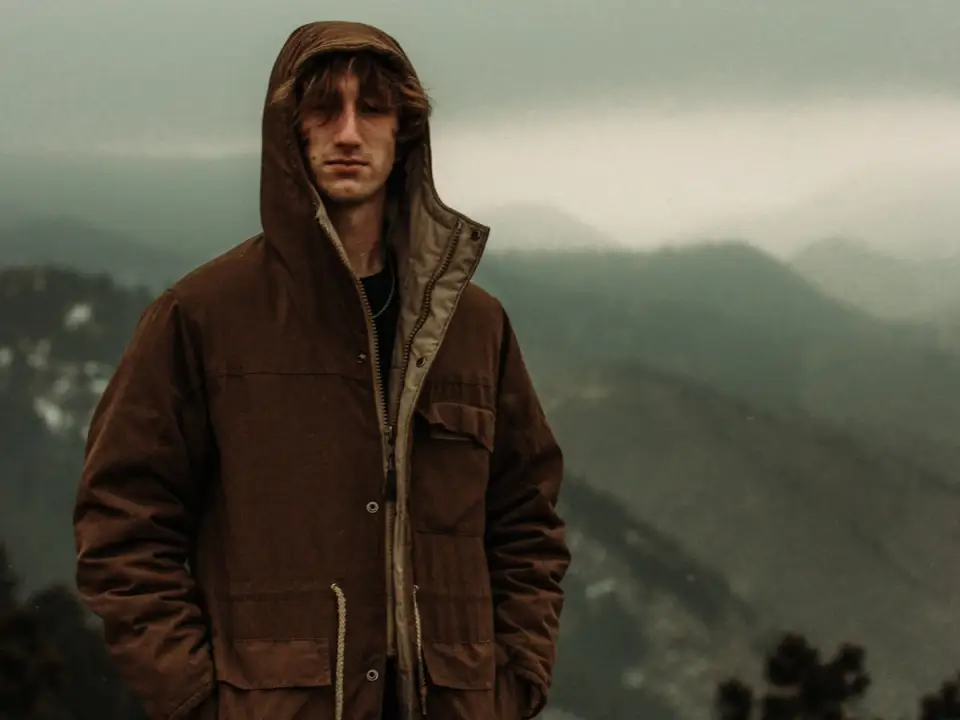
The clothing layering principle: base, insulation and shell
One well-chosen three-layer outfit works from +5 to -25 °C. We explain the logic behind a layering system.
Merino: 6 reasons to choose wool base layers
Merino sheep’s wool: why hunters and mountaineers return to a material used for more than 200 years.
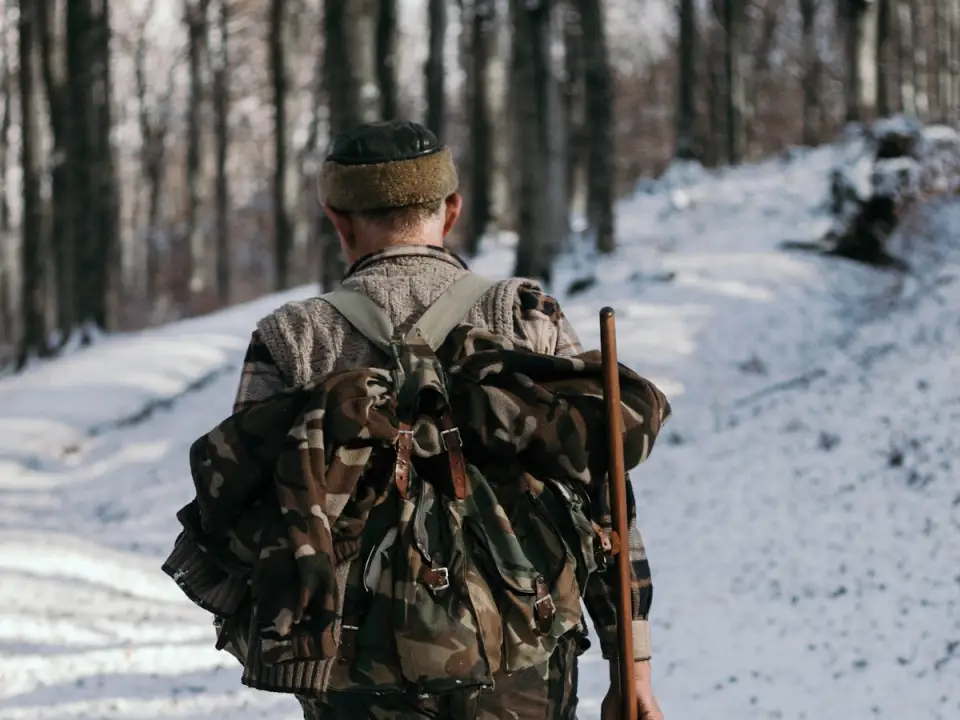
How to choose winter hunting gear for Kazakhstan
Winters in Kazakhstan’s steppes and mountains are harsh: frost down to -35 °C, wind and snow. Here is how to put together an outfit you can rely on.