

Spring fishing in Kazakhstan: gear and the best places

April and May open the season on unfrozen water. Where to fish, what to use and how to dress to stay warm between seasons.
When the season begins
In southern Kazakhstan (Almaty and Zhambyl regions), the ice clears as early as March: by the end of the month you can launch a boat on Kapshagay or the Kurty Reservoir. In the north (Bukhtarma, Zaysan), open water appears only towards the end of April, with the full season starting in May.
Remember the spawning ban: from 1 April to 15 June, boat fishing and net fishing are prohibited. Bank fishing with one rod and two hooks is allowed, but no closer than 500 m to river mouths.
What you can catch in spring
- Zander — actively hunts along the edges of holes and submerged timber after the ice breaks up. Use an 8–14 g jig with a 3–4-inch paddle tail.
- Asp — on riffles and spits of the Irtysh, Ili and Syr Darya. Heavy pilkers, Kastmasters and Devon lures.
- Wild and common carp — feeder fishing with groundbait based on maize and oilseed cake. Becomes active when the water warms to +12 °C.
- Pike — enters shoreline reed beds to spawn in May, then feeds heavily afterwards. Poppers, minnows and soft plastics on jig heads.
Top 3 destinations
- Kapshagay. An hour’s drive from Almaty, with boat bases along the entire southern shore. Zander, asp, wild carp and catfish. The drawback: weekend crowds.
- Balkhash, southern shore. 300 km from Almaty, deserted spits, trophy carp and catfish. A four-wheel-drive vehicle is needed.
- Bukhtarma Reservoir. Eastern Kazakhstan, a paradise for trophy predators: pike up to 15 kg and zander up to 8 kg. The season starts in early May.
Gear for the transitional season
The main spring challenge is rapid temperature changes: +2 °C and fog in the morning, +18 °C and sunshine during the day. The solution is layering:
- Base: a 150 g/m² merino T-shirt that quickly moves sweat away.
- Insulation: a Polartec 200 fleece top, easy to take off.
- Outer: a water-repellent softshell jacket to protect against drizzle and wind off the water.
- Trousers: softshell or lightweight tactical ripstop trousers.
- Boots: 5 mm neoprene waders for fishing flooded banks, or knee-high rubber boots for a boat.
Often forgotten
- Fingerless neoprene gloves — keep hands from going numb while handling line and cold water.
- A buff or neck gaiter — protects the neck from sunburn and wind.
- Polarised glasses — without them, you will not see fish below the surface or the edge of a drop-off.
A good seasonal outfit costs KZT 80,000–150,000 but pays for itself on the first trip when you do not have to pack up at lunchtime because you are wet and cold.
Choose gear for your activity
Filter clothing by season, temperature and activity in the catalog. If you need help, a consultant will ask about your conditions and suggest available options.
You may also like
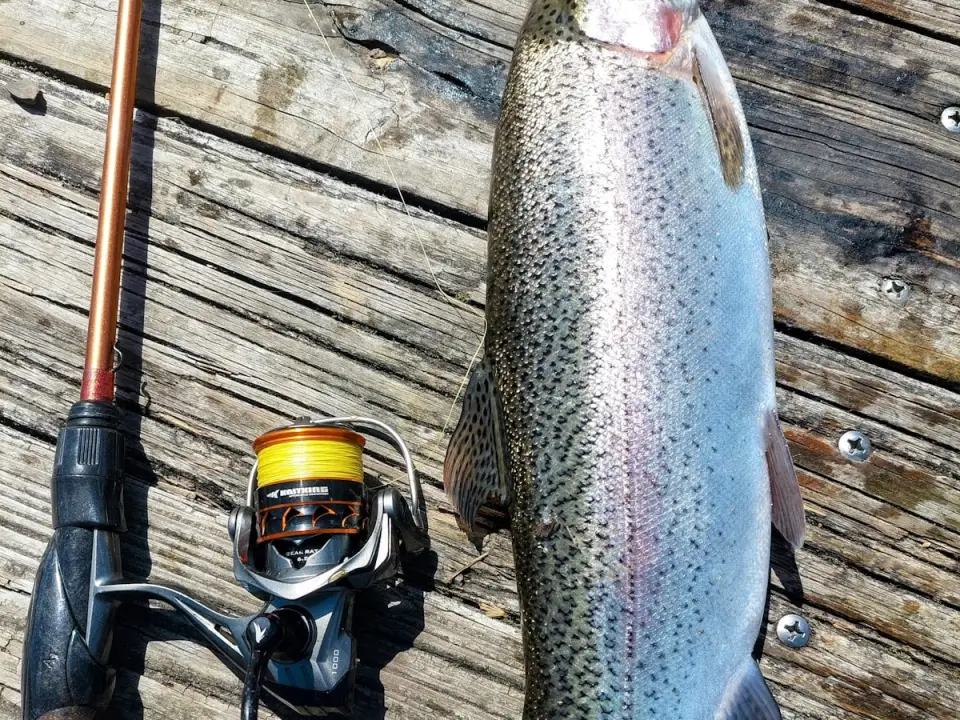
Autumn zander spinning: tackle and retrieve explained
Autumn zander fishing on Balkhash is the most exciting season. Which lures, rod rating, braid and retrieve work in cold water?
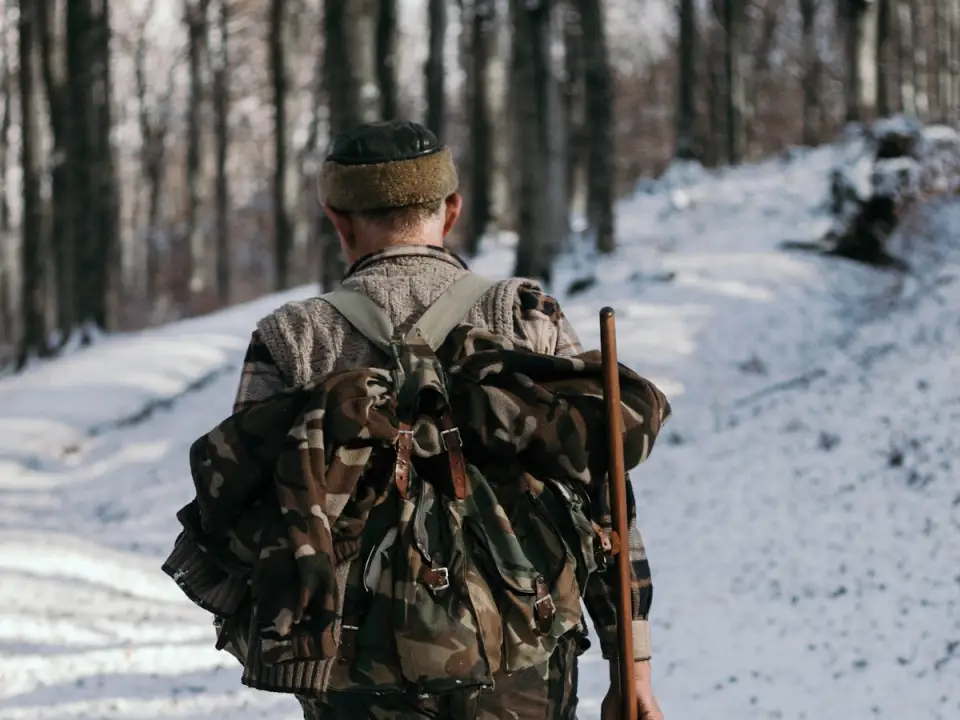
How to choose winter hunting gear for Kazakhstan
Winters in Kazakhstan’s steppes and mountains are harsh: frost down to -35 °C, wind and snow. Here is how to put together an outfit you can rely on.
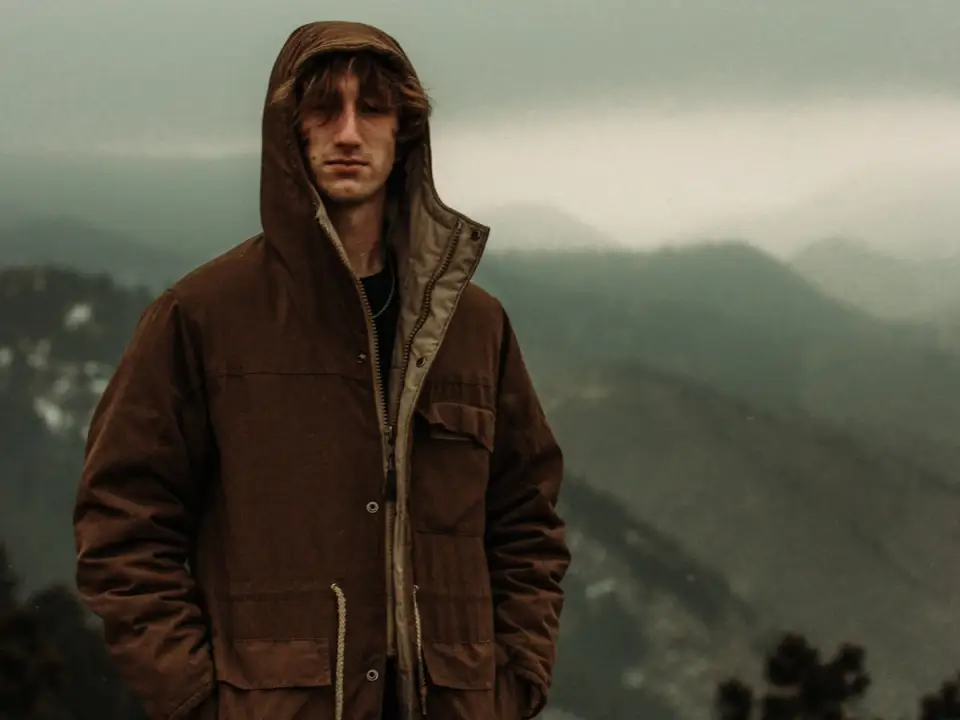
The clothing layering principle: base, insulation and shell
One well-chosen three-layer outfit works from +5 to -25 °C. We explain the logic behind a layering system.