
The system’s base: choosing thermal underwear for hunting and fishing
Anvar Rakhimov
HONOR lead equipment expert and head of the Layering School
14 years of active hunting and winter fishing in Kazakhstan, 6 years of outdoor equipment field tests and 4 years with HONOR. Field testing at −40…+40 °C.
Published · updated
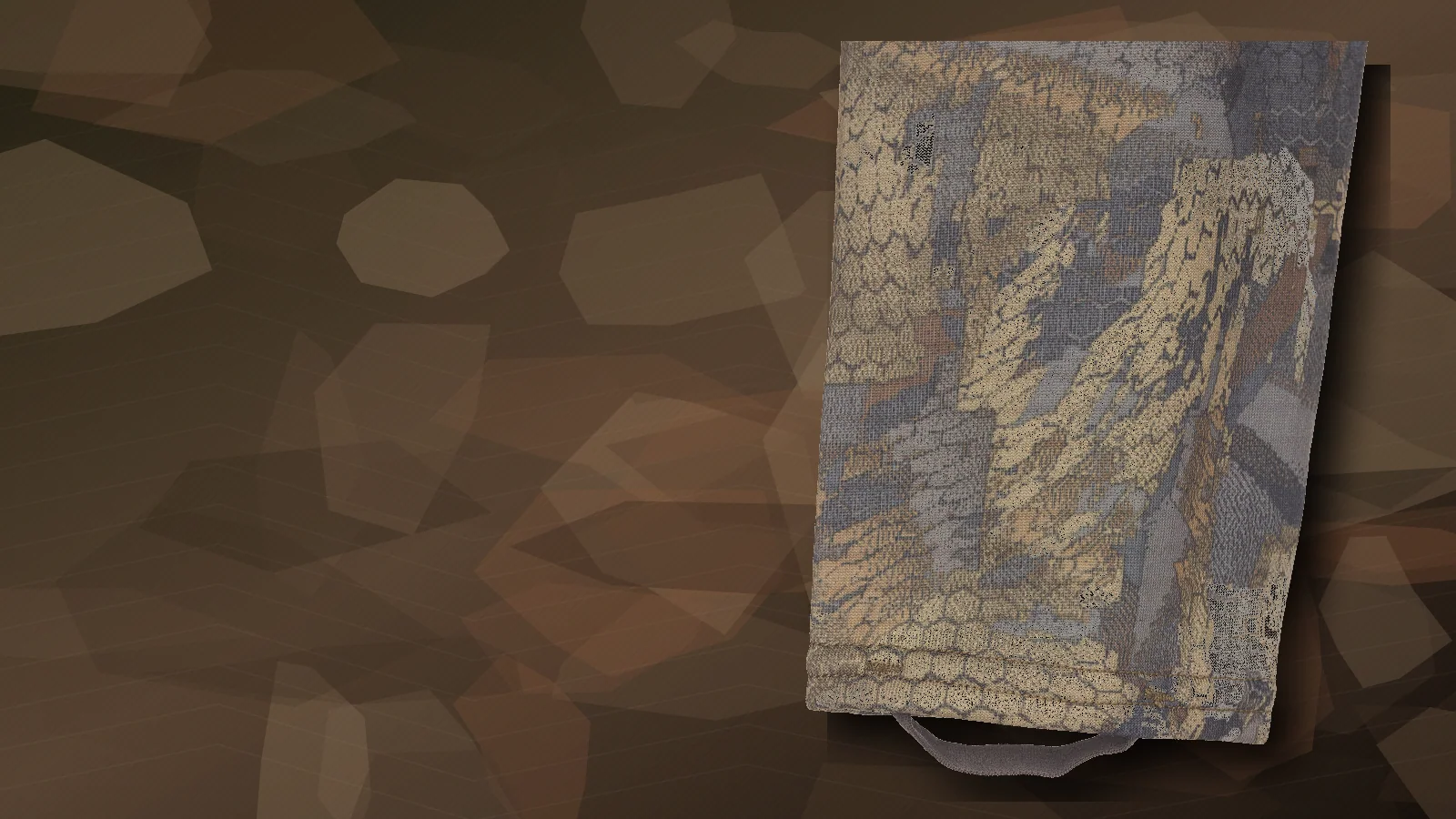
Thermal underwear is the first layer touching your skin and moving sweat outwards. Choose by two criteria: fabric weight (150 g/m² for heat and high activity, 250 for mid-season, 350 for frost) and material (merino is quiet and odour-free; synthetics dry faster). Do not wear cotton underneath: it gets wet and does not dry.
Why the base layer matters: sweat, not cold
The first task of active clothing at any temperature is to move sweat away from the skin. Wet skin cools 25 times faster than dry skin. Even at −5 °C outside in a jacket rated to −20 °C, a sweat-soaked T-shirt will turn any jacket into a cold cover within 15 minutes of stopping.
Thermal underwear handles this in two ways:
- Synthetics wick sweat through capillary action: moisture moves along the fibres outwards and evaporates at the mid layer.
- Merino absorbs moisture inside its fibres and continues insulating even when wet, a unique property of merino wool.
Cotton does the opposite: it absorbs 27 times its own weight in water, swells and retains it. A wet cotton T-shirt takes heat from your body and takes hours to dry.
Three base-layer weights: lightweight, midweight and heavyweight
Fabric weight in g/m² is the main parameter after material. HONOR follows the same three-weight approach as First Lite and other global brands:
| Weight | Fabric weight | Temperature | Activity | Activity |
|---|---|---|---|---|
| Lightweight | ~150 g/m² | +5 °C and above | High | Summer, active hunting in warm weather, trekking |
| Midweight | ~250 g/m² | −10…+10 °C | Moderate | Mid-season, autumn hunting, first ice |
| Heavyweight | ~350 g/m² | −25 °C and below | Low (stationary) | Winter fishing, hide hunting, deep winter |
A common beginner’s mistake is buying one base layer “for everything”. At +15 °C, heavyweight underwear makes you sweat within 20 minutes. At −30 °C, lightweight underwear will not keep you warm. The optimal choice is 2 sets: midweight for general use and heavyweight for winter.
Merino versus synthetics: which to choose?
The debate never ends, but the right answer is: it depends on the activity.
| Property | Merino | Synthetics |
|---|---|---|
| Breathability while moving | Good | Excellent |
| Warmth when damp | Excellent | Good |
| Odour control | Excellent (natural) | Poor (treatment needed) |
| Drying | Slow | Fast |
| Quietness (for hunting) | Excellent | Good |
| Durability | Moderate | High |
| Price | Higher | Lower |
Choose merino when these matter:
- Multi-day use: no odour, can be worn for 2–3 days without washing
- Silence: stalking animals that “see” with their ears
- Skin comfort: does not itch like ordinary wool
Choose synthetics when these matter:
- Fast drying after rain, downpours or immersion
- High intensity: trekking, fast-paced hunting, fieldwork
- Durability: frequent washing, wear and expeditions
A merino + nylon blend is a compromise: faster drying without losing quietness.
The “no cotton” rule
American survival guides put it bluntly: “cotton kills”. On a hike, hunt or fishing trip, a cotton T-shirt beneath a jacket is the coldest item in your kit. Here is why:
- Cotton absorbs 27 times its own weight in water
- It does not move moisture outwards; it holds it next to the skin
- Wet cotton loses 100 % of its insulation
- It dries on the body for hours, drawing heat away
The rule is simple: anything touching your skin must be able to dry while you wear it. Cotton cannot. Wear it in town, but use thermal underwear in the field.
HONOR thermal underwear: what is in the range?
The HONOR THERMO range is the main base of the layering system. Models for different weights and temperatures:
| Article no. | Model | Weight | Rating | Technologies |
|---|---|---|---|---|
| 3011 | HONOR THERMO thermal underwear | Heavyweight | down to −35 °C | Nomad Fit™ |
| 3012 | HONOR THERMO FLEECE insulated thermal underwear | Heavyweight | down to −35 °C | Steppe Fleece™, Quick-dry™ |
| 3013 | HONOR THERMO FLEECE fleece base layer | Midweight | +5…+15 °C | Steppe Fleece™ |
| 3014 | HONOR THERMO NORD winter thermal underwear | Heavyweight | down to −35 °C | Quick-dry™, Nomad Fit™ |
| 3015 | HONOR THERMO thermal trousers | Midweight | down to −25 °C | Steppe Fleece™ |
| 2010 | HONOR THERMO thermal top | Heavyweight | down to −25 °C | Quick-dry™ |
| 2011 | HONOR THERMO turtleneck | Midweight | down to −25 °C | Quick-dry™ |
| HL-4-25 | HONOR knit long-sleeve top | Midweight | down to −25 °C | — |
Find current stock, sizes and prices in the Thermal underwear category.
How to choose a size
Choose thermal underwear in your size, not two sizes larger. It should fit close without squeezing. Loose thermal underwear does not work: air appears between fabric and skin, and the capillary effect disappears.
Sizing rules:
- Your usual top size (M/L/XL) is also your thermal underwear size
- If taller than 185 cm, check sleeve and leg length
- Between sizes, for example M and L, choose the smaller: the fabric stretches slightly
HONOR offers a size finder: enter your height, weight and body measurements to receive a recommendation for each model.
Thermal underwear care
Thermal underwear needs gentle care: the right products extend fabric life by 2–3 times:
- Wash at 30–40 °C on a delicate cycle
- No fabric softener: it clogs fabric capillaries and reduces moisture transport
- Do not use bleach: it destroys fibres
- Air-dry, not tumble-dry: high heat destroys elastane
- For merino, use a dedicated wool wash (Woolite, Salton or equivalent)
With proper care, a thermal underwear set lasts 3–5 seasons of active use.
Where to go next
- Mid layer: fleece and insulation — what to wear over the base
- Why your feet get cold when fishing — the other half of the footwear system
- Layering School: the complete guide — the overall system
- HONOR thermal underwear catalogue — choose a specific model
Frequently asked questions
- At what temperature do I need heavyweight 350 g/m² thermal underwear?
- Heavyweight thermal underwear is needed at −25 °C and below, especially for low activity such as hide hunting, winter fishing or observation. While moving, a heavy base can cause overheating even at −20 °C; choose midweight instead.
- Can I wear two sets of thermal underwear on top of each other?
- Technically yes, but the effect is weaker than one heavyweight set. Two base layers create an extra air layer, but capillary action works only in the first. A heavyweight base or an added fleece layer (L2) is the better approach.
- Does merino smell strongly of wet wool after rain?
- No. Merino fibre is treated so that it does not retain odour even when damp. Synthetics, by contrast, start to smell after several wears; this happens much more slowly with merino.
- How do I know when thermal underwear needs replacing?
- The fabric thins, loses elasticity, develops pills and stops moving moisture away: the top stays wet even after brief activity. The usual service life is 3–5 seasons.
- Why pay more than 30 000 ₸ for thermal underwear?
- For merino quality (fine 17–18 micron fibres versus 22+), flat seams that do not rub beneath layers, durable construction at friction points such as shoulders and elbows, anti-odour treatment and longevity. Savings come from a service life 2–3 times longer.
- Do I need thermal underwear in summer?
- Yes: lightweight (~150 g/m²) for high activity in heat. It moves sweat away quickly and protects against the sun, with UPF 40+ on some models. A cotton T-shirt at +30 °C under a backpack leads to a wet back and evening chills.
Read next
Updated · prepared by the HONOR expert team. Temperature ratings are based on product information.